
Impetigo (“School Sores”): The Crusty Rash Every Parent Meets Eventually
A small red spot beside your child’s nose on Monday; golden, honey-crusted sores marching across their chin by Thursday; a phone call from the creche by Friday. That’s impetigo — Ireland’s classic school-gate skin infection. It spreads like gossip and clears like magic once treated, and the whole thing — photo diagnosis, prescription, back-to-school timing and the absence note — fits in one call with a registered Irish doctor for €34.99, seven days a week.
Book an impetigo consultation — pick a time
Your consultation is preselected. Choose a slot below, add your details, and a registered Irish doctor will call you — have a photo of the rash ready.
Select a Service
Consulting with Dr Abdul Rehman
Choose Date & Time
Select a date, then pick an available slot
- 📞 The doctor calls you — no waiting room
- ✅ IMC-registered Irish doctors
- 🕑 All times are Irish time
Your Details
All fields marked * are required
Secure payment next — you won't be charged until you confirm.
Having trouble making payment or securing your slot? 💬 WhatsApp our support team
Booking for yourself?
You've given the patient your own name and date of birth.
You've given the patient your own name, with no date of birth for them.
Review & Pay
Confirm your booking details below
256-bit SSL encryption · Google Pay & card accepted
Refundable if you cancel at least 6 hours before the appointment — see our Terms & Conditions.
How to recognise it
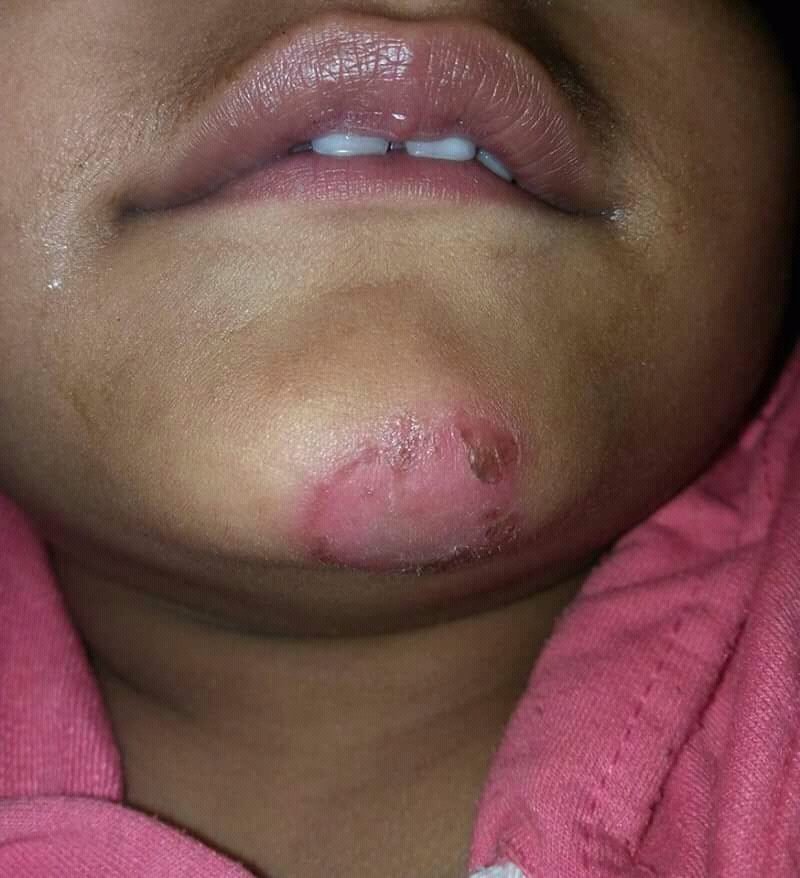
The giveaway is the crust: sores that weep and then dry into crusts the colour of honey or cornflakes, typically starting around the nose and mouth and multiplying wherever fingers carry them. It itches more than it hurts, and the child is usually their normal self otherwise. A less common version (bullous impetigo, mostly in babies and toddlers) makes larger fluid blisters that pop and leave rings. The bacteria behind it — staph, sometimes strep — get in through broken skin: eczema patches, insect bites, grazes, scratched chickenpox spots and cold sores are the usual open doors.
The treatment playbook
- Confirm it — a clear photo plus a video look is genuinely all a doctor needs; impetigo is one of the most photo-friendly diagnoses in medicine.
- Localised patches → prescription cream (about five days), applied after gently soaking the crusts off with warm water so it actually reaches the infection. For very early, minor patches an antiseptic cream is sometimes chosen to spare antibiotics.
- Widespread, blistering, or still spreading after 2–3 days → oral antibiotics for the week.
- Expect visible improvement inside 72 hours and healing within about a week — no scars, though pink marks can take a few weeks to fade.
- On repeat? The bacteria often lodge in the nostrils between rounds (a short nasal cream course clears the reservoir), and any underlying eczema needs proper control — otherwise the door stays open.
Operation Stop-The-Spread (the household rules)
- One towel, one facecloth, one pillowcase per person — washed hot, along with clothes and bedding.
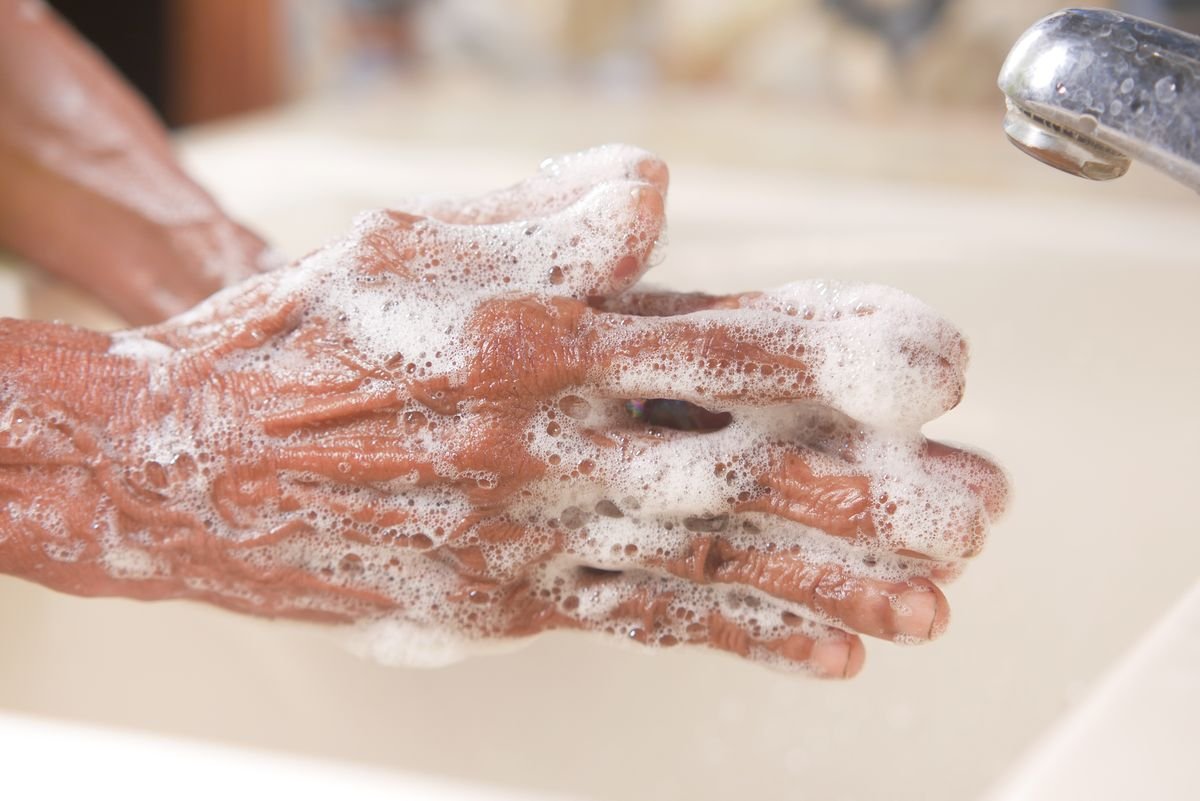
- Nails short, hands washed after every contact with the sores or the cream. This is the whole war.
- Cover what can be covered, loosely — it keeps little fingers honest.
- Pause the pool, the gym and contact sports until healed — impetigo is legendary in rugby dressing rooms.
- Don’t kiss the sore spots better. Genuinely.
School, creche and the note
Impetigo carries a formal exclusion rule: children stay home until the sores are dry and crusted, or until at least 24–48 hours of treatment are done — your doctor confirms the exact timing for your child during the consultation and issues the school or creche absence note on the spot. Same rule of thumb applies to adults working in kitchens, childcare or healthcare.
Could it be something else?
- Cold sore — announces itself with a tingle, blisters in one recurring spot; impetigo just spreads.
- Ringworm — a spreading ring with a clearing centre, no honey crust.
- Eczema flare — weeps clear rather than golden; though infected eczema and impetigo overlap, and both get treated.
- Chickenpox — crops of blisters everywhere plus fever; its scratched spots can grow impetigo on top, which is its own reason to keep chickenpox nails short.
How the online consultation works
- Book a time above — same-day slots are usually available, seven days a week.
- Take the call from a registered Irish doctor with a photo of the rash to hand.
- Get the lot in one go — diagnosis, prescription to your pharmacy, the hygiene brief, back-to-school timing and the absence note.
Frequently asked questions
The creche sent my child home — how long until they can go back?
Once the sores have dried and crusted over, or after at least 24–48 hours of antibiotic treatment — whichever your doctor confirms for your child’s case. The practical point: the return clock doesn’t start until treatment does, so a same-day consultation literally buys days back. The absence note gets issued in the same call.
It started as one tiny spot by the nose — why is it everywhere now?
Because impetigo’s whole strategy is fingers. A child scratches the itchy sore, picks up bacteria, and plants them wherever they touch next — their own chin, a sibling’s arm, the shared towel. That’s why treatment plus the hygiene rules (short nails, own towel, relentless handwashing) beats treatment alone.
Cream or antibiotics by mouth — how is that decided?
By how much skin is involved. A few localised patches respond to five days of prescription cream (crusts soaked off gently first so it reaches the skin). Widespread sores, blistering impetigo, or patches still spreading after two to three days of cream call for an oral antibiotic course. A photo review settles it in minutes.
My child gets this every few months — why?
Usually one of two reasons: the bacteria live in the nostrils between episodes and reinfect on schedule — a short nasal cream course evicts them — or there’s eczema underneath that keeps offering broken skin as a doorway. Fix the reservoir and the door, and the repeat visits stop.
Can I catch it from my child?
Absolutely — impetigo has no age limit, just a preference for broken skin and shared towels. Parents pick it up nursing sore little faces; adults also meet it through contact sports. If you develop the golden crusts too, both of you can be sorted in one consultation each.
Is it serious?
Almost never — it lives in the top layer of skin, heals without scarring, and children stay well in themselves. The exceptions to know: fever with hot spreading redness (a deeper infection), blistering sores in a small baby, or widespread painful peeling skin — those are same-day, in-person situations, not cream-and-wait ones.
This page is general health information, not a diagnosis. A registered Irish doctor will assess your individual situation during your consultation. In an emergency call 999 or 112.