
Cluster Headache: If Your Headache Keeps Appointments, Read This
There’s a headache so punctual that people learn to fear a time on the clock — one-sided agony behind the eye, arriving nightly at the same hour, gone within an hour or three, back tomorrow. It’s called cluster headache, sufferers wait years to hear its name, and every one of those years is spent on painkillers that never had a chance. A registered Irish doctor can recognise it in one phone call, start treatment that matches its speed, and write the urgent neurology referral that unlocks the rest — €34.99, seven days a week.
Book a cluster headache consultation — pick a time
Your consultation is preselected. Choose a slot below, add your details, and a registered Irish doctor will call you. Come with your attack pattern — times, lengths, which side — it’s the diagnosis.
Select a Service
Consulting with Dr Abdul Rehman
Choose Date & Time
Select a date, then pick an available slot
- 📞 The doctor calls you — no waiting room
- ✅ IMC-registered Irish doctors
- 🕑 All times are Irish time
Your Details
All fields marked * are required
Secure payment next — you won't be charged until you confirm.
Having trouble making payment or securing your slot? 💬 WhatsApp our support team
Booking for yourself?
You've given the patient your own name and date of birth.
You've given the patient your own name, with no date of birth for them.
Review & Pay
Confirm your booking details below
256-bit SSL encryption · Google Pay & card accepted
Refundable if you cancel at least 6 hours before the appointment — see our Terms & Conditions.
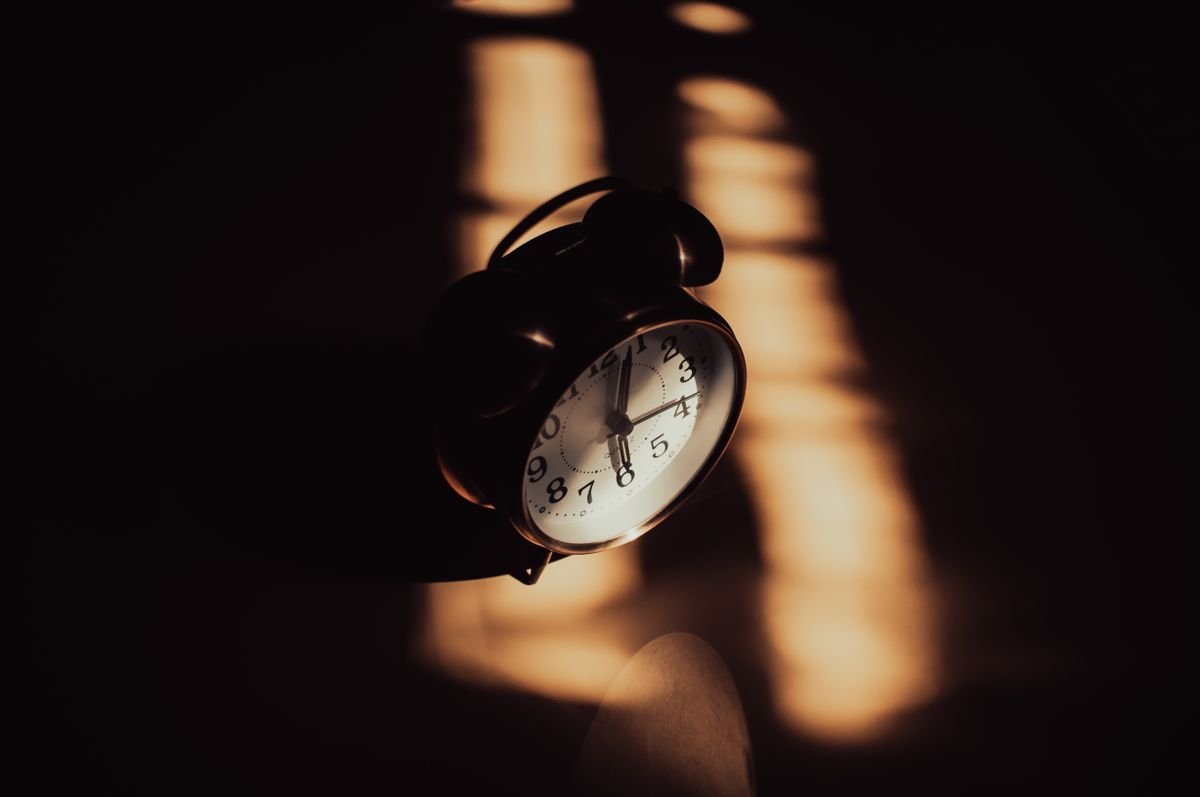
The alarm-clock test
Five questions, honestly answered, sort this from every other headache:
- Is it always the same side — drilling pain in or behind one eye?
- Does it clock in and out — peaking within minutes, finished inside three hours?
- Does it keep a schedule — the same hour each day, or waking you at the same time each night?
- Does that side of your face react — watering or red eye, droopy lid, blocked or streaming nostril?
- Do you pace? During attacks, can you not sit still — walking, rocking, pressing the eye? (This is the opposite of migraine, which demands stillness.)
Mostly yes? Book the consultation and say exactly that. You may be about to end years of misdiagnosis in ten minutes.
Why your painkillers never stood a chance
A cluster attack peaks in five to ten minutes. A swallowed tablet needs half an hour or more to absorb. The attack is over before the tablet arrives — which is why paracetamol, ibuprofen, codeine and ordinary oral triptans have all “failed” you, and why their failure says nothing about how treatable you actually are. The treatments that work are the ones that move at attack speed: high-flow oxygen through a non-rebreather mask (aborts most attacks in 15–20 minutes) and sumatriptan by injection or nasal spray. Prevention during bouts — chiefly verapamil, titrated with ECG monitoring — belongs with the specialist team you’re about to be referred to.
What we do — and what we honestly don’t
- We recognise it. The story above, taken seriously, is most of the diagnosis — and recognition is the step Irish cluster sufferers wait years for.
- We start what’s safe now — fast-route sumatriptan where suitable, the alcohol warning for the bout (one drink can trigger an attack within the hour), and an end to the useless-tablet cycle.
- We write “suspected cluster headache” on an urgent neurology referral — four words that change which queue you stand in. Oxygen at home, verapamil, and confirmed diagnosis flow from that clinic.
- We back you up during the bout — follow-up calls, work certs when nights are being destroyed, and a stand-ready plan for the next bout.
- We don’t pretend to titrate verapamil or arrange oxygen solo — that’s specialist work, and getting you there fast IS the treatment we offer.
Living through a bout
- Skip alcohol entirely until the bout ends — it’s the one trigger with near-perfect reliability.
- Keep attack treatment within reach — beside the bed, in the car, at work. Attacks don’t wait for you to find the spray.
- Track times and sides for a week — the pattern chart is gold for the neurology visit.
- Say how you’re coping, honestly. This condition has a dark nickname for what it does to people’s spirits. If the nights are grinding you down, that goes in the consultation too — it’s part of the medicine.
How the online consultation works
- Book a time above — same-day slots are usually available, seven days a week.
- Tell the story — timings, sides, eye symptoms, what you do during attacks. Ten minutes, properly heard.
- Leave armed — prescriptions to your pharmacy, the urgent referral submitted, and a plan with your name on it.
Frequently asked questions
How is this different from a really bad migraine?
Three tells. Behaviour: migraine sends you to lie deathly still in a dark room; cluster makes you pace, rock and press your eye — sitting still is impossible. Duration: migraine grinds on for hours or days; cluster burns out within three hours, often less. Punctuality: migraine is chaotic; cluster keeps appointments — same side, same hour, night after night. If you’re a pacer with a punctual headache, stop calling it migraine.
The pain wakes me at the same time every night. Is that really significant?
It’s practically a signature. Cluster headache runs on the body clock — attacks classically strike an hour or two into sleep or at fixed daytime hours, so precisely that sufferers dread their own bedside clock. Almost nothing else in medicine behaves this way. Mention “same time every night” in your consultation and you’ve done half the diagnostic work already.
Why has every painkiller failed me?
Arithmetic, not bad luck. An attack peaks in five to ten minutes and ends within an hour or three; a swallowed tablet takes 30–60 minutes to absorb. The attack always wins the race. Effective treatment is whatever works in MINUTES: high-flow oxygen through a mask, or sumatriptan as an injection or nasal spray. Tablets — including ordinary oral triptans mid-attack, and especially codeine — were never the right tool.
What happens after the referral?
Neurology confirms the diagnosis and opens the toolbox that needs specialist oversight: home oxygen cylinders arranged for attacks, verapamil started and titrated with ECG checks as the bout preventive, sometimes a steroid bridge to calm a raging bout while verapamil builds. The phrase “suspected cluster headache” on your referral letter is what routes you to that clinic quickly — which is exactly why we write it that way.
Can I drink during a bout?
Blunt answer: no. During a cluster bout, alcohol — even one drink — triggers an attack within the hour in most sufferers, reliably enough that some people discover their bout has started at the pub. Between bouts, alcohol is typically fine. It’s one of the strangest and most useful facts about the condition: treat it as a free early-warning system.
My last bout ended — do I still need to do anything?
This is the best possible moment to act. Episodic cluster headache usually comes back, and the unprepared bout costs weeks of agony while referrals and prescriptions catch up. Use the quiet: get the diagnosis on record, the referral moving, and fast-acting attack treatment agreed and ready. When the alarm-clock headache returns, you start fighting on day one, not day twenty.
This page is general health information, not a diagnosis. A registered Irish doctor will assess your individual situation during your consultation. In an emergency call 999 or 112.