
Athlete’s Foot: The Changing-Room Souvenir That Won’t Take the Hint
It starts as an itch between two toes after the gym, the pool, or a week in work boots. Then the skin peels, cracks and stings in the shower — and every time you think it’s gone, it isn’t. Athlete’s foot is a fungus with a simple business model: warm, damp feet and half-finished treatment. A registered Irish doctor can confirm it from a photo, prescribe antifungals that actually finish the job, and check whether it has reached your nails — €34.99, seven days a week.
Book an athlete’s foot consultation — pick a time
Your consultation is preselected. Choose a slot below, add your details, and a registered Irish doctor will call you — have a photo of the affected skin ready.
Select a Service
Consulting with Dr Abdul Rehman
Choose Date & Time
Select a date, then pick an available slot
- 📞 The doctor calls you — no waiting room
- ✅ IMC-registered Irish doctors
- 🕑 All times are Irish time
Your Details
All fields marked * are required
Secure payment next — you won't be charged until you confirm.
Having trouble making payment or securing your slot? 💬 WhatsApp our support team
Booking for yourself?
You've given the patient your own name and date of birth.
You've given the patient your own name, with no date of birth for them.
Review & Pay
Confirm your booking details below
256-bit SSL encryption · Google Pay & card accepted
Refundable if you cancel at least 6 hours before the appointment — see our Terms & Conditions.
Is it athlete’s foot? The 60-second check
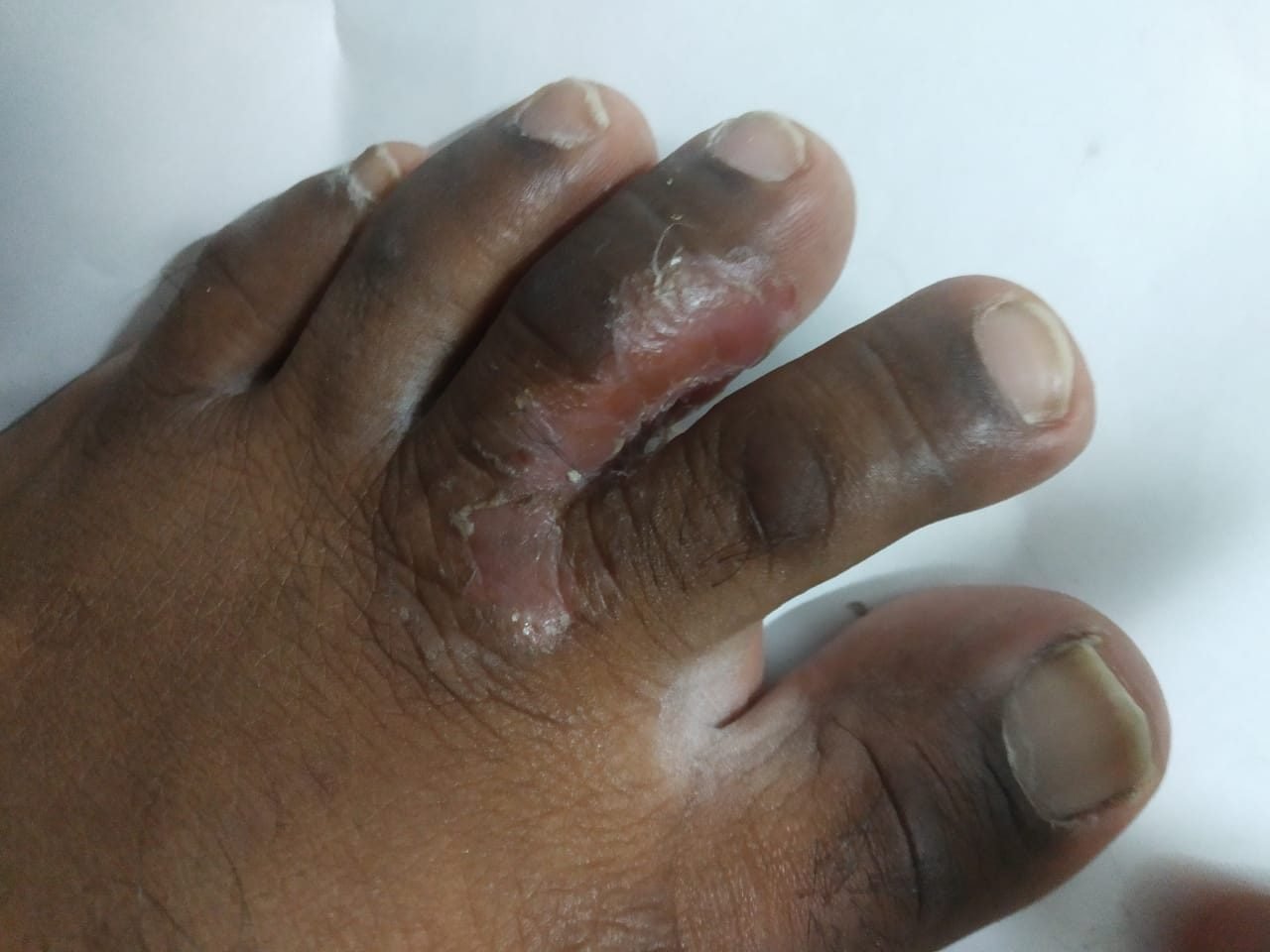
Look between your toes — especially the gap beside the little toe. Athlete’s foot shows up as itchy, flaky, reddened skin that peels or cracks, sometimes turning soggy and white in the web. Three more clues: it often favours one foot (most other rashes are even-handed), it can march onto the sole as dry, scaly “moccasin” skin that looks deceptively like ordinary dryness, and occasionally it blisters along the arch. If your toenails have gone thick, yellow or crumbly as well, the same fungus has probably moved in upstairs.
Why yours keeps coming back
Because the fungus rarely lives only on your feet. It survives in shoes that never fully dry, in skin flakes on bath mats and bathroom floors, and on communal wet tiles at pools and gyms — so a fortnight of cream fixes the skin while the reservoir waits patiently. The other classic reason: stopping treatment the day the itch does. The rash clears from the surface days before the fungus is actually gone, and an unfinished course is an invitation to round two. Any plan that doesn’t cover feet, footwear and floors together is only ever half a plan.
Clearing it for real
- Confirm it’s fungus — a photo of the toe webs or sole on a video or phone consultation is usually enough, and it matters: steroid creams for “eczema” quietly feed a fungal infection.
- Prescription antifungal cream — terbinafine-based creams typically clear web-space infection in one to two weeks, faster than the older creams many people give up on.
- Keep applying for one to two weeks after it looks healed. This single habit is the difference between cured and recurring.
- Tablets for the stubborn cases — moccasin-pattern soles, repeated failures and any nail involvement usually need oral terbinafine, which is prescription-only and part of what the consultation can sort.
- Treat the footwear too — antifungal powder or spray into every pair you wear regularly, and let shoes dry a full day between outings.
The shoe-and-sock rules
- Dry between every toe, every time — after showers, swims and sport. It beats any cream you’ll ever buy.
- Fresh socks daily, washed hot; natural fibres breathe better than synthetics.
- Rotate your shoes — yesterday’s damp trainers are a petri dish. Alternate pairs.
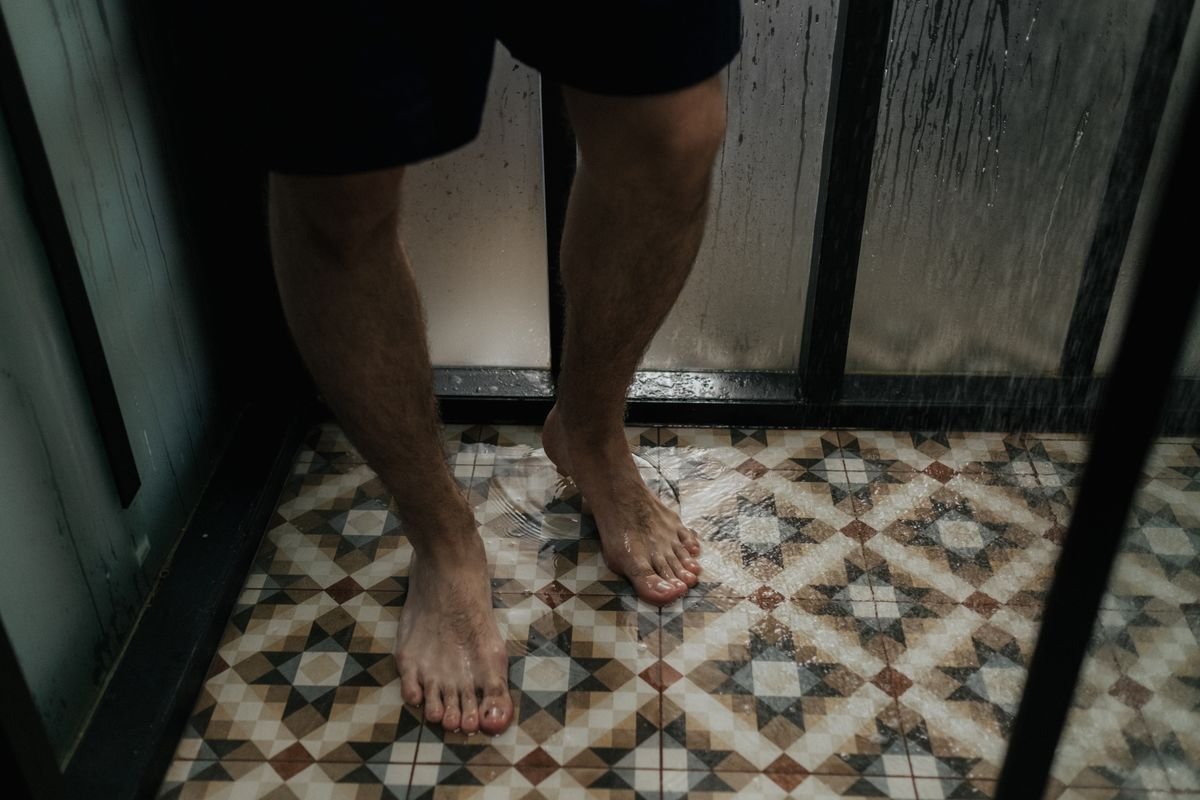
- Flip-flops on communal wet floors, always — pools, gyms, hotel bathrooms.
- Your towel and bath mat are yours alone until the infection is gone; both get hot washes.
Could it be something else?
- Eczema or contact dermatitis — usually both feet, symmetrical, and the toe webs are oddly spared.
- Psoriasis — sharper-edged, silvery plaques on the soles, often with pitted nails.
- A verruca — a lump with black dots rather than a rash.
- Pitted keratolysis — the smelly, pitted soles of long days in sealed boots; bacterial, and treated completely differently.
Getting this call right is exactly what the photo review is for — the treatments barely overlap.
How the online consultation works
- Book a time above — same-day slots are usually available, seven days a week.
- Take the call from a registered Irish doctor with a photo of your feet ready.
- Everything in one go — diagnosis confirmed, cream or tablets prescribed to your pharmacy, nails assessed, and the anti-reinfection routine agreed.
Frequently asked questions
I bought a cream at the chemist and it’s still there — what now?
Two usual explanations: the course stopped the day the itch stopped (the fungus outlives the rash — you need to keep going a week or two past “looks fine”), or it was never athlete’s foot in the first place. Eczema and psoriasis impersonate it convincingly, and antifungal cream does nothing for either. A photo review settles which story you’re in, and gets you the stronger prescription options if the fungus is simply dug in.
Why is it only on one foot?
Oddly enough, that’s a point in favour of fungus. Athlete’s foot commonly picks a favourite foot, while eczema and other rashes tend to hit both feet symmetrically. One itchy, peeling foot — especially with the toe webs involved — leans fungal until proven otherwise.
My toenail has gone thick and yellow too — related?
Very likely the same fungus, having moved from the skin into the nail — its long-term retirement home. Creams barely touch nail infections; they usually need months of oral antifungal treatment. That’s a doctor conversation, and it matters, because untreated nails keep re-seeding the skin no matter how well you treat the webs.
How do I stop picking it up at the gym?
Flip-flops in the shower and changing room, fully dry between the toes before socks go on, and don’t stand barefoot where a hundred other feet stood that morning. The fungus travels in shed skin flakes on wet floors — break that chain and the gym stops being a reinfection subscription.
Can I still swim and train while treating it?
Yes, sensibly: athlete’s foot doesn’t need sport exclusion the way some infections do, but you should wear flip-flops on poolside and in showers so you’re not seeding the floor for everyone else, dry your feet thoroughly after, and get your own towel a hot wash. The treatment itself carries on regardless.
I have diabetes — does that change anything?
It raises the stakes. Cracked, soggy toe webs are a known front door for bacterial infection, and diabetic feet can brew trouble with less warning. Treat athlete’s foot early and completely, check between your toes as part of your routine, and if any redness starts spreading or the skin breaks down, get same-day in-person care rather than waiting it out.
This page is general health information, not a diagnosis. A registered Irish doctor will assess your individual situation during your consultation. In an emergency call 999 or 112.