
Cold sore assessment by photo. Aciclovir or valaciclovir prescribed for severe, frequent, or first-episode outbreaks.
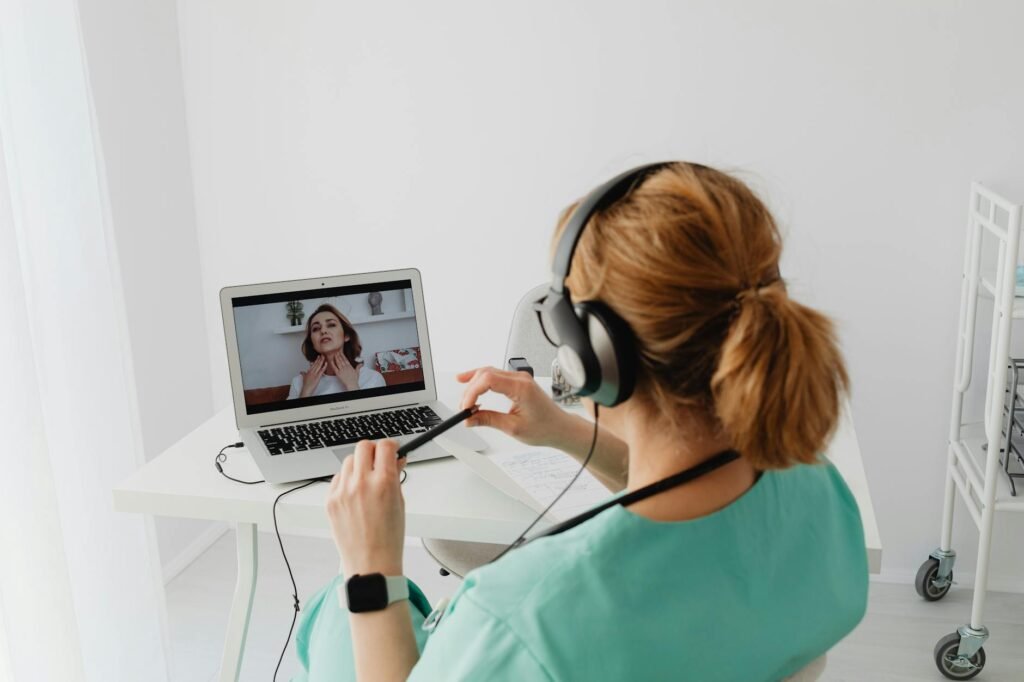
Cold sores (herpes labialis) are caused by the herpes simplex virus (most commonly HSV-1), which establishes a lifelong infection after the first exposure. The virus stays dormant in nerve cells and reactivates intermittently to produce the characteristic blisters on or around the lips. Most adults in Ireland — around 60–80% — carry the virus, though not everyone has visible outbreaks. While usually harmless, cold sores can be uncomfortable and recur predictably with specific triggers.
Triggers for HSV-1 reactivation per NICE CKS: sun exposure (UV light), other illness or fever, fatigue, stress, menstruation, immunosuppression, and local trauma (dental work, lip injury). Recurrence pattern varies widely — some people have 1–2 outbreaks a year, others have monthly recurrence.
An Online Doctor consultation is appropriate for typical recurrent cold sores, especially for prescription antiviral treatment to start early. Seek urgent care for any of: cold sore near the eye or any eye symptoms (risk of herpes keratitis — sight-threatening); widespread painful blisters over the face or body; cold sore in someone with eczema (risk of eczema herpeticum — needs urgent treatment); severe outbreak with high fever and feeling generally unwell; immunocompromised patients (cancer treatment, organ transplant, HIV, certain medications); newborn baby exposure (specific neonatal pathway).
Per NICE and ICGP guidance:
Apply sun protection on lips (SPF 30+ lip balm) — UV is a major trigger. Don't share lip balm, towels, or drinks during an outbreak. Avoid kissing or oral sex during outbreaks. Wash hands after touching the cold sore. Don't touch your eyes after touching the cold sore. Don't pick the crusts — let them heal naturally. Soft, cool foods reduce discomfort.
HSV-1 can be shed asymptomatically (without visible lesions), but transmission risk is much higher during active outbreaks. The virus is most contagious from the tingle phase through to fully scabbed lesions.
No — the virus persists lifelong in nerve cells. Treatment shortens individual outbreaks and reduces severity but doesn't eliminate the underlying infection. Some people find recurrence becomes less frequent over years.
HSV-1 typically causes oral herpes (cold sores). HSV-2 typically causes genital herpes. However, HSV-1 can cause genital infection through oral-genital contact, and HSV-2 can occasionally cause oral lesions. Both are managed similarly.
Yes — for confirmed recurrent cold sores in adults, an Online Doctor can prescribe topical aciclovir cream or oral antiviral treatment if appropriate. Suppressive therapy or unusual presentations may warrant in-person assessment first.
Sources: HSE.ie, NICE CKS Herpes Simplex (Oral), ICGP. General information only.
Same-day video and phone consultations across Ireland.
Book a consultationYour consultation is preselected. Choose a slot, add your details, and a registered Irish doctor will call you.
Consulting with Dr Abdul Rehman
Select a date, then pick an available slot
All fields marked * are required
Secure payment next — you won't be charged until you confirm.
Having trouble making payment or securing your slot? 💬 WhatsApp our support team
Booking for yourself?
You've given the patient your own name and date of birth.
You've given the patient your own name, with no date of birth for them.
Confirm your booking details below
A sick note and a fit-to-work certificate certify opposite things — that you are unfit for work, and that you are fit to return. Each needs its own clinical assessment, so they cannot both be issued from the same consultation. If you need both, please book two separate appointments. Booking this consultation intending to obtain both does not entitle you to a refund.
Read the full terms256-bit SSL encryption · Google Pay & card accepted
Refundable if you cancel at least 6 hours before the appointment — see our Terms & Conditions.
Processing…
Speak to support
Email us
Available
7 days a week · same-day slots
WhatsApp us
We value your privacy
We use cookies to improve your experience on our site. Essential cookies are required for core functionality. Analytics and marketing cookies help us understand how you use our site and measure ad performance. You can choose which cookies to allow. Learn more
Book in the free DoxOnCall app and get 20% off one consultation. Same Irish-registered doctors, same certificates — just cheaper in the app.
One use per patient, on a booking made in the app. iPhone and Android. Not redeemable on the website.
Required for the site, booking, and login to work. Cannot be disabled.
Anonymised usage analytics (Google Analytics 4) so we can see which pages help patients most. We do not sell or share this data.
Let us measure which online ads (e.g. Google Ads) lead to bookings, so we can keep our prices and booking costs low. No third-party ads are shown to you on this site.